

Have you ever taken a day off, slept in, watched your favorite show, and still woke up feeling completely drained?
Many people assume burnout is simply extreme exhaustion. They tell themselves, “I just need more sleep,” or “I need a weekend getaway.” While physical rest is crucial, burnout goes much deeper than tiredness.
Burnout leaves you feeling emotionally depleted, disconnected from the things you once enjoyed, and constantly questioning your ability to keep up. It is not simply about doing too much; it is about carrying too much for too long without adequate support, recovery, or recognition.
What Burnout Really Looks Like
Burnout rarely announces itself loudly. It creeps in slowly, making it difficult to recognize until it begins affecting your entire life. You might find yourself thinking you’re just “having a bad week,” but notice these signs sticking around:
The Endless Reset: Feeling exhausted even after a full night’s sleep.
Brain Fog: Difficulty concentrating, overthinking, or struggling to make simple decisions.
A Short Fuse: Increased irritability, frustration, or resentment toward daily tasks.
The Disconnect: Feeling detached from work, family, or friends like you’re watching your life from the outside.
Loss of Spark: Losing motivation for hobbies or activities you used to love.
Physical Echoes: Frequent headaches, muscle tension, or trouble falling asleep despite being exhausted.
The Moving Goalpost: Feeling like you’re constantly behind, no matter how hard or fast you work.
For many, burnout feels like running on an empty tank while still trying to meet everyone else’s expectations.
Why Burnout Happens?
While we often associate burnout with the workplace, it can affect anyone.
Parents caring for young children, students balancing heavy loads, caregivers supporting loved ones, and individuals managing chronic systemic stress can all experience it. Some of the most common, relatable contributors include:
The Perfectionism Trap: When “good enough” never feels acceptable, every task requires 100% of your energy. This places immense pressure on you, making it impossible to rest without feeling guilty.
Constant Caregiving: Spending so much time tending to the emotional and physical needs of others that you lose touch with your own. Over time, your emotional reserves simply run dry.
Blurred Boundaries: Saying yes when you want to say no, answering messages after hours, or absorbing more responsibilities than you can realistically manage.
Chronic Alertness: Our bodies are not designed to remain in a state of high alert indefinitely. When stress continues without a true pause for recovery, both the mind and body begin to protect themselves by shutting down.
The Difference Between Stress and Burnout
Stress often feels like “too much.” Too many tasks, too much pressure, too much noise. You feel overwhelmed, but you’re still heavily engaged.
Burnout feels like “nothing left.” It is the stage of emotional numbness, hopelessness, or total disconnection.
Signs Your Mind and Body are Asking for Change

Take a gentle moment to check in with yourself. Ask these questions without judgment:
1) Do I feel guilty or anxious when I am trying to rest?
2) Have I stopped experiencing joy in things that used to bring me happiness?
3) Am I constantly thinking about the next thing that needs to be done?
4) Do I feel emotionally detached or empty more days than not?
5) Have I become more cynical or withdrawn from the people around me?
If you answered yes to several of these, your mind and body aren’t failing they are simply signaling a need for a PIVOT!
Moving Toward Recovery
Recovery does not happen overnight, and it requires more than a long bubble bath or a weekend off. It involves a shift in how we relate to ourselves and our productivity. Healing often looks like:
Challenging Unrealistic Expectations: Gently questioning the voice that says you have to do it all perfectly.
Setting Relational Boundaries: Learning that saying “no” to someone else is often saying “yes” to your own well-being.
Prioritizing Radical Rest: Practicing rest that doesn’t have to be “earned” through productivity.
Self-Compassion Over Self-Criticism: Treating yourself with the same warmth and understanding you so freely offer to a friend or client.
Most importantly, recovery involves recognizing that your worth is not determined by your productivity.
A Final Thought
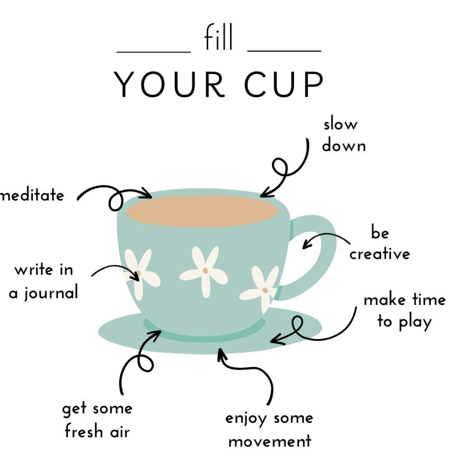
In a culture that celebrates being constantly busy, slowing down can feel incredibly uncomfortable, even unsafe. Yet, constantly pushing past our limits comes with a cost.
Burnout is not a sign of weakness.
It is a sign that you have been strong for too long without enough support. You deserve the same care, compassion, and understanding that you extend to the rest of the world.
If you are feeling overwhelmed, exhausted, or disconnected, therapy can provide a safe, non-judgmental space to unpack what is contributing to your burnout and help you build sustainable ways to cope. You don’t have to carry the weight of everything on your own.
.Recommended (and Easy-to-Read) Resources
Book: Burnout: The Secret to Unlocking the Stress Cycle by Emily Nagoski, PhD, and Amelia Nagoski, DMA
Book: Self-Compassion: The Proven Power of Being Kind to Yourself by Dr. Kristin Neff
Article: “Rest is Not Something You Earn” (Available on various mental health platforms like Psychology Today)References Maslach, C., Jackson, S. E., & Leiter, M. P. (2016). Maslach Burnout Inventory Manual. Mind Garden. Demerouti, E., Bakker, A. B., Nachreiner, F., & Schaufeli, W. B. (2001). The job demands-resources model of burnout. Journal of Applied Psychology, 86(3), 499–512. Neff, K. D., & Germer, C. (2024). Mindful Self-Compassion for Burnout: Tools to Help You Heal and Recharge When You’re Wrung Out by Stress. Guilford Press