
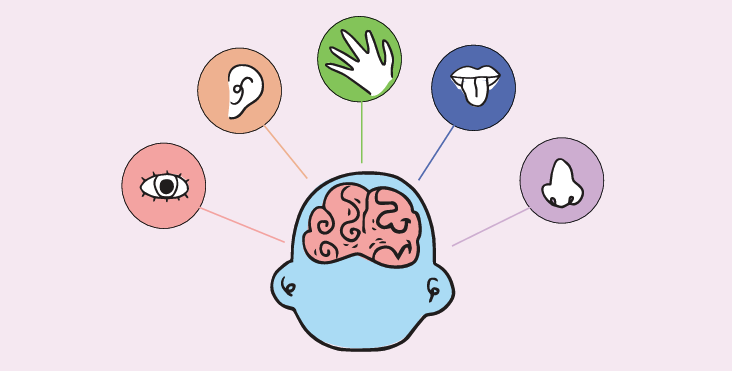
Between endless notifications, tight deadlines, and everyday responsibilities, it’s easy to live everywhere except in the moment right in front of us. We may spend our mornings thinking about everything that needs to be done, spend our afternoons worrying about what might go wrong, and spend our evenings planning for tomorrow. In this post, we want to focus on practicing presence.
Now, you might wonder what practicing presence looks like and how it can be beneficial to your lifestyle. This is an invitation to pause and return to the moment that is actually happening.
When we talk about presence, we often think about mindfulness, which means intentionally bringing our attention to the present moment with openness and without judgment. The National Center for Complementary and Integrative Health (NCCIH, 2024) describes mindfulness as maintaining awareness of the present moment without judging the experience.
What Does It Mean to Be Present?
Being present does not mean emptying your mind or eliminating every thought; our minds naturally wander. Presence simply means noticing when our attention has drifted and gently bringing it back. A few examples of practicing presence include:
- Simply noticing your breathing while sitting quietly
- Paying attention to the taste and warmth of your morning coffee
- Listening fully when someone is speaking
- Feeling your feet against the ground as you walk
Achieving this takes practice.
Instead of constantly asking or thinking about what is next, focusing on presence allows us to ask ourselves, “What is happening right now?” Reflecting on this question creates a small shift that can change the way we experience moments. These moments may seem small, but presence is built through small moments of returning.
Why Pause?
When we are stressed, we can quickly default to automatic reactions. We may respond before we have had a chance to comprehend what we are feeling or what the situation actually requires.
Mindfulness practices create an opportunity for a pause between an experience and our reaction to it. Research suggests that mindfulness-based practices can help reduce stress, although the size of the benefit varies among studies and individuals (Goyal et al., 2014; Creswell, 2017). The NCCIH (2024) mentions that current evidence suggests mindfulness meditation may help reduce symptoms of stress including anxiety and depression and may also support better sleep.
The goal, however, is not to treat mindfulness as another task we must perform perfectly. Presence is less about perfecting the practice and more about learning to notice what is already here.
Practicing Presence in Everyday Life
You do not need an hour of meditation or a perfectly quiet room to practice presence. Try beginning with ordinary daily activities:
- While drinking: Put your phone down and notice the warmth, taste, aroma, and texture of your beverage.
- While walking: Notice your surroundings. Feel each step. Pay attention to the movement of your body and the sounds around you.
- While listening: Give another person your full attention rather than preparing your response while they are speaking.
- During stressful moments: Pause. Take one slow breath. Notice what you are feeling without immediately trying to change it.
- Before going to sleep: Instead of reviewing tomorrow’s responsibilities, spend a few moments noticing your breathing and allowing the day to come to an end.
Presence Is Not About Having a Perfectly Calm Mind
Here is a common misconception about mindfulness: that being present means feeling peaceful all the time. That is not always the case; sometimes, being present means noticing anxiety. Other times, it means acknowledging sadness, frustration, boredom, or uncertainty without immediately pushing those feelings away. Research examining mindfulness and stress has found that non-judgmental acceptance is a crucial mechanism of the practice (Lindsay et al., 2018; Ford et al., 2018).
Presence is not simply paying attention to an uncomfortable experience but it also involves meeting that experience with less resistance.
References
Creswell, J. D. (2017). Mindfulness interventions. Annual Review of Psychology, 68, 491–516.
Ford, B. Q., Lam, P., John, O. P., & Mauss, I. B. (2018). The psychological health benefits of accepting negative emotions and thoughts: Laboratory, diary, and longitudinal evidence. Journal of Personality and Social Psychology, 115(6), 1075–1092.
Goyal, M., Singh, S., Sibinga, E. M., et al. (2014). Meditation programs for psychological stress and well-being: A systematic review and meta-analysis. JAMA Internal Medicine, 174(3), 357–368.
Lindsay, E. K., Young, S., Smyth, J. M., Kang, Y., & Creswell, J. D. (2018). Acceptance lowers stress reactivity: Could mindfulness be stress protective? Psychoneuroendocrinology, 87, 63–71.
National Center for Complementary and Integrative Health (NCCIH). (2024). Meditation and Mindfulness: What You Need To Know. U.S. Department of Health and Human Services, National Institutes of Health.
Written by Jennifer Balangue